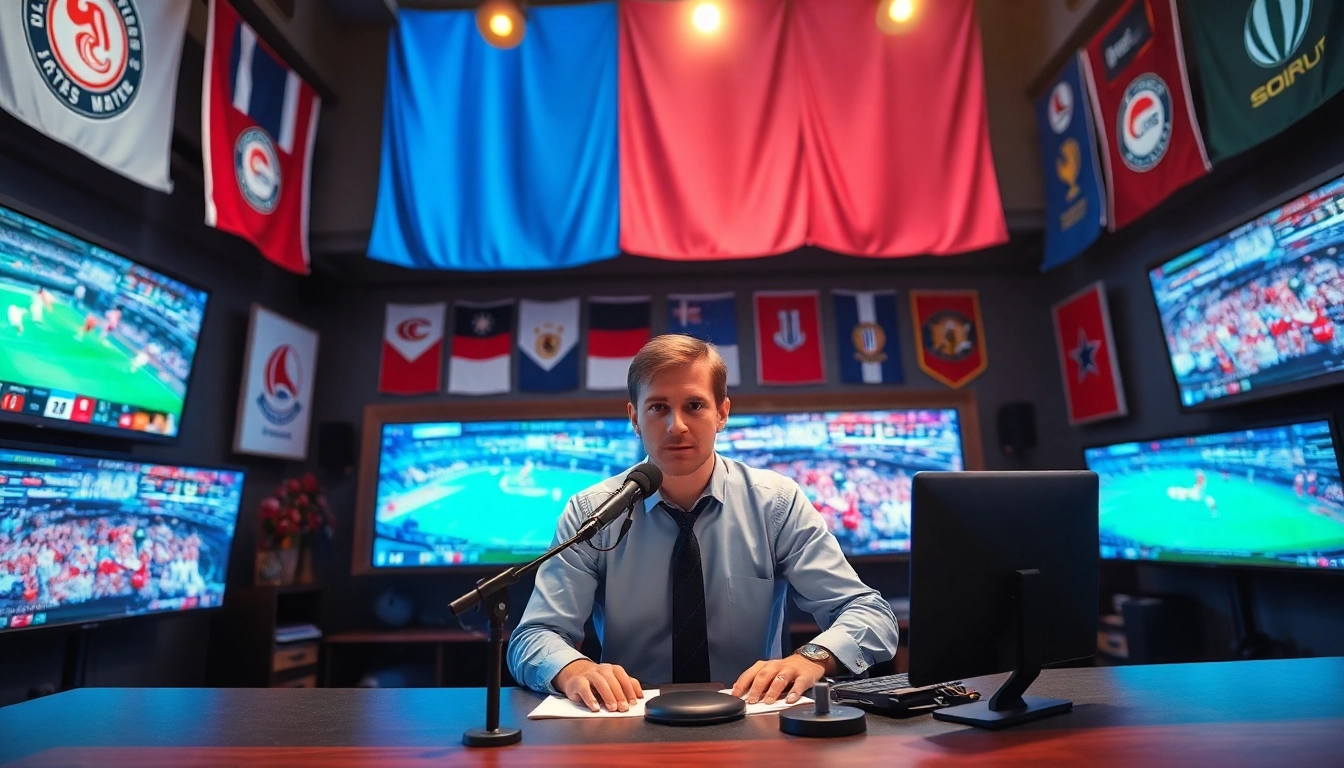
Understanding the Basics of Sports Broadcasting
Definition and Purpose of Sports Broadcasting
Sports broadcasting is a specialized field dedicated to the transmission of sports events and related content through various media channels. It serves the dual purpose of entertaining sports fans while providing them with essential information about games, teams, and athletes. The primary aim is to deliver real-time updates, analysis, and commentary, keeping fans engaged and informed throughout the sporting experience. In recent years, the Sports Broadcasting landscape has evolved dramatically, adapting to the rise of digital platforms and changing viewer preferences.
The Role of a Sports Broadcaster
Sports broadcasters play a critical role in shaping how audiences perceive and engage with sports. They are responsible for delivering live coverage, conducting interviews, providing expert commentary, and creating engaging pre- and post-game shows. A successful broadcaster brings personality, authority, and clarity to their delivery, enhancing the viewer’s experience. Moreover, they must possess an in-depth knowledge of the sport they cover, as well as the ability to analyze and explain various strategies and plays to a diverse audience.
Key Skills Needed for Effective Broadcasting
Effective sports broadcasting requires a unique set of skills, including:
- Communication: The ability to articulate thoughts clearly and engagingly, both on-air and in writing.
- Research: Understanding the intricacies of the sport, teams, and players to provide informed commentary.
- Analytical Skills: The capacity to break down plays and strategies for viewers in an understandable way.
- Technical Proficiency: Familiarity with broadcasting equipment and software to ensure smooth operations.
- Adaptability: The ability to handle unexpected events, such as technical difficulties or last-minute changes.
Exploring Essential Tools for Sports Broadcasting
Equipment Required for High-Quality Broadcasts
High-quality sports broadcasting relies on a range of specialized equipment. Key components include:
- Cameras: Professional video cameras that provide high-definition footage are essential for capturing live events.
- Microphones: High-quality microphones, including lavalier and shotgun mics, ensure clear audio for commentary and interviews.
- Switching Equipment: Video switchers allow broadcasters to seamlessly transition between different camera angles and feeds.
- Lighting: Proper lighting is crucial for indoor sports and interviews, enhancing image quality.
- Transmission Gear: Equipment such as satellite trucks or encoders for streaming live video feeds to viewers.
Software Solutions for Streamlining Production
In addition to hardware, various software solutions aid in sports broadcasting. These include:
- Editing Software: Programs like Adobe Premiere Pro or Final Cut Pro help in post-production editing, allowing broadcasters to create polished highlight reels.
- Audio Mixing Software: Tools such as Pro Tools or Logic Pro can enhance audio quality during broadcasts.
- Graphics Creation Software: Solutions like After Effects for creating on-screen graphics and animations that improve viewer engagement.
- Live Streaming Platforms: Services such as OBS Studio and Wirecast leave room for multiplatform broadcasting.
Understanding Broadcast Standards and Regulations
Sports broadcasters must adhere to specific industry standards and regulations to ensure compliance and quality. This includes:
- Licensing Requirements: Securing the necessary rights to broadcast games and events from leagues and organizations.
- Content Guidelines: Abiding by standards related to commentary, language, and visual content.
- Advertising Regulations: Understanding how to conduct sponsorships and integrate ads within broadcasts legally.
Best Practices in Sports Broadcasting
Engaging Your Audience: Tips for Effective Communication
Audience engagement is fundamental in sports broadcasting. Here are some effective strategies:
- Be Relatable: Use language that resonates with a broad audience, avoiding overly technical jargon.
- Storytelling: Incorporate narratives around teams, players, and games to forge emotional connections with viewers.
- Interactive Engagement: Encourage audience participation through social media and live polls during broadcasts.
- Regular Updates: Provide constant updates and remarks, especially during fast-paced segments and significant events.
Incorporating Technology: Live Streaming and Social Media
As technology evolves, so does the landscape of sports broadcasting. Incorporating innovative methods can enhance viewer engagement:
- Live Streaming: Offer multiple viewing options through various platforms, including mobile devices and smart TVs.
- Social Media Integration: Utilize platforms like Twitter, Facebook, and Instagram to reach audiences with real-time updates and highlights.
- AR and VR: Explore augmented and virtual reality experiences, providing viewers with immersive environments.
Creating Compelling Content: Analysis and Commentary
To stand out in sports broadcasting, creating compelling content is crucial:
- Diverse Insights: Offer varied perspectives by integrating guests, analysts, and former players into coverage.
- Data-Driven Analysis: Use statistics and analytics to provide deeper insights into player performance and game strategy.
- Engaging Tutorials: Create educational content that explains rules, strategies, and player techniques to assist newer fans.
Navigating Challenges in Sports Broadcasting
Dealing with Technical Difficulties Live On-Air
Live broadcasting is susceptible to technical glitches that can disrupt coverage. Here are effective strategies for managing these challenges:
- Preparation: Conduct thorough pre-broadcast checks to identify and resolve equipment issues.
- Backup Plans: Have a contingency plan in place, including backup equipment and alternative content to air.
- Staying Calm: Communication and calmness during mishaps can effectively reassure viewers while troubleshooting issues.
Managing Time and Scheduling during Live Events
Proper time management is vital for ensuring smooth broadcasts. Tips include:
- Pre-event Planning: Schedule all segments in advance, including interviews and promotional spots, to maintain flow.
- Flexibility: Be prepared to adjust schedule items based on the unfolding nature of sports events.
- Timekeepers: Utilize production staff specifically responsible for timing during the broadcast.
Understanding Audience Needs and Preferences
Listening to audience feedback is crucial for refinement. Consider the following:
- Surveys and Polls: Conduct audience surveys regularly to gather insights on preferences and content expectations.
- Engagement Analytics: Monitor viewer engagement metrics to determine popular segments and adjust accordingly.
- Community Interaction: Foster a community around broadcasts through social media platforms and fan events.
Future Trends in Sports Broadcasting
The Impact of Technology: AI and Augmented Reality
The future of sports broadcasting is significantly shaped by technological advancements:
- AI Utilization: AI-powered tools for real-time data analysis can enhance commentary and viewer experience.
- Augmented Reality: AR applications can provide enriched viewing experiences with enhanced graphics and interactive elements during live broadcasts.
Shifts in Viewer Consumption Patterns
Viewer consumption habits are changing rapidly, necessitating adaptation from broadcasters:
- On-Demand Options: Consumers increasingly prefer accessing content on their schedule, influencing programming strategies.
- Multi-Platform Viewing: Broadcasting across multiple platforms, including mobile, social media, and traditional TV, is essential.
Adapting to Changes in Broadcasting Regulations
Regulations in broadcasting are continually evolving. Broadcasters must stay informed and adapt, considering:
- Changing Laws: Keep abreast of changes in broadcasting legislation that affect content and advertising.
- Content Compliance: Ensure all broadcasting remains compliant with local and international regulations to avoid penalties.
Frequently Asked Questions
1. What is sports broadcasting?
Sports broadcasting refers to the live transmission of sporting events and related content through various channels like television, radio, and online platforms, aiming to inform and entertain audiences.
2. What skills are essential for a sports broadcaster?
Key skills include effective communication, in-depth sports knowledge, analytical thinking, technical proficiency, and adaptability to unexpected challenges.
3. How can technology enhance sports broadcasting?
Technology enhances broadcasts through live streaming, augmented reality experiences, and analytics that provide deeper insights into game strategies and player performances.
4. What tools are needed for high-quality sports broadcasts?
Essential tools include high-definition cameras, microphones, lighting, video switchers, and various software solutions for editing and producing content.
5. How do cookie regulations affect sports broadcasting?
Cookie regulations impact how broadcasters collect data from viewers. Compliance with privacy laws is crucial for tailoring content and advertisements without legal issues.


