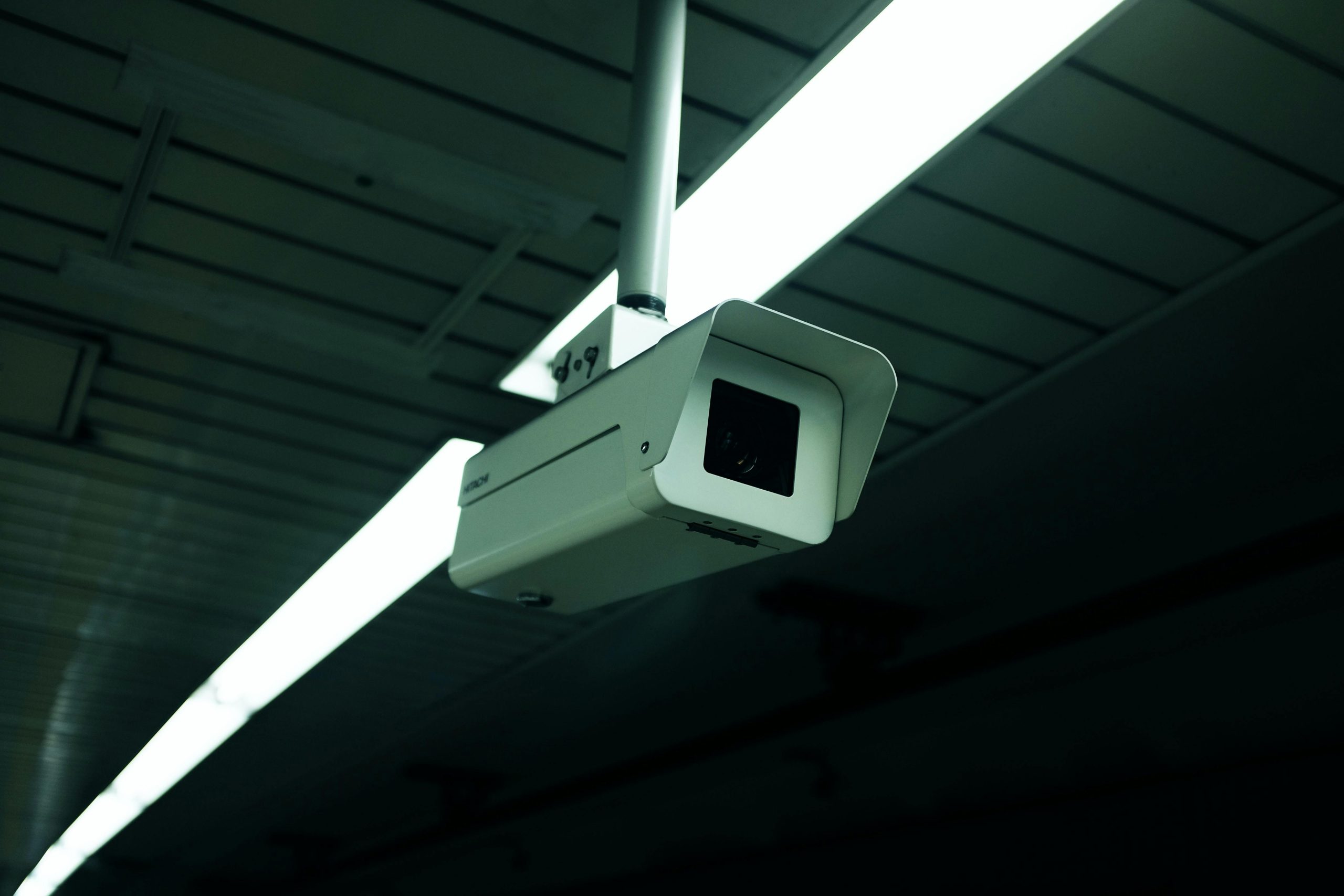
Choosing the Best Home Security Cameras with cutting-edge motion detection is one of the most effective ways to protect your home, your loved ones, and your peace of mind. With modern technology advancing at a rapid pace, homeowners are no longer limited to traditional surveillance systems that simply record footage. Today’s smart cameras offer intelligent detection, real-time alerts, AI-powered analytics, and seamless integration with smart home ecosystems. At Deep Dive Picks, our mission is to deliver detailed, research-backed guides that help you make smart, confident choices about the tech you bring home. In this comprehensive expert guide, we explore every essential detail you need to know when selecting the Best Home Security Cameras with motion detection, from advanced detection algorithms to installation techniques, performance reliability, and smart-home compatibility.
Understanding the evolution of motion detection is crucial because modern systems now use far more than basic pixel changes to identify suspicious activity. The Best Home Security Cameras today use a combination of infrared sensors, radar sensing, AI object recognition, and machine learning to distinguish between humans, animals, vehicles, and environmental motion. These advancements significantly reduce false alarms and ensure that your notifications are timely, accurate, and actionable. As homeowners increasingly rely on smart technology to enhance their security, the role of intelligent motion detection has become a fundamental driver of camera selection. This guide breaks down each component with clarity and depth so you can invest in the right device.
Whether you are securing a large property, monitoring a small apartment, or simply upgrading outdated equipment, understanding the capabilities of the Best Home Security Cameras will empower you to choose tools that enhance safety without complicating your daily life. What makes this guide different is that every insight is grounded in professional analysis, user-focused testing observations, and a deep understanding of the technology shaping modern home security. From learning how motion sensors work to identifying the best-performing devices for various environments, you will gain an expert-level understanding of what truly matters when purchasing home security cameras.
Understanding Motion Detection in Modern Security Cameras
Motion detection is the core feature that separates traditional cameras from modern intelligent security systems. The Best Home Security Cameras use sophisticated technologies that do far more than simply record movement. They analyze, interpret, and categorize motion to deliver meaningful alerts that help homeowners stay informed without being overwhelmed by irrelevant notifications.
Motion detection operates differently depending on the type of sensor used. Basic cameras rely on video-based detection, which analyzes pixel changes between frames. Although this method is simple, it is prone to false triggers caused by shadows, headlights, or insects. More advanced models use passive infrared sensors, which detect heat signatures. This makes them significantly better at recognizing human movement while minimizing environmental noise. The Best Home Security Cameras often combine multiple detection systems, layering infrared, image analysis, and AI-driven algorithms to improve accuracy and maintain reliable detection throughout the day and night.
Another significant evolution in motion detection is the use of AI object classification. Cameras equipped with machine learning can distinguish between people, vehicles, pets, packages, and general motion. This capability drastically enhances user experience by filtering out unnecessary alerts and delivering only the most essential notifications. The Best Home Security Cameras also support customizable motion zones, allowing homeowners to focus monitoring on critical areas such as entryways, driveways, or interior rooms. This level of precision ensures that every alert matters.
Why Motion Detection Matters in Home Security
Motion detection is one of the strongest predictors of camera effectiveness. The Best Home Security Cameras understand not only when something is happening but also what is happening. This difference is critical because accurate detection reduces response time and improves overall situational awareness.
With motion-triggered recording, homeowners can conserve storage space and ensure that only relevant events are kept. Instead of hours of unnecessary footage, users get concise, meaningful clips that can be reviewed quickly. The Best Home Security Cameras also provide instant alerts via mobile apps, allowing homeowners to respond immediately to suspicious behavior. These notifications can be paired with additional features such as sirens, lights, or automatic communication with monitoring services.
Perhaps the most valuable aspect of motion detection is its deterrence effect. Criminals are far less likely to attempt entry into a home equipped with visible cameras, especially those paired with motion-triggered spotlights or audible alerts. By choosing the Best Home Security Cameras, homeowners not only document suspicious activity but also actively discourage it. When motion detection is paired with two-way audio, residents can even communicate directly with visitors or potential intruders from anywhere in the world.
Key Features to Look for in Motion Detection Cameras
Selecting the Best Home Security Cameras requires careful evaluation of specific motion detection features. The most effective systems incorporate multiple layers of sensing technology, ensuring reliability across different lighting conditions, environmental factors, and home layouts.
One of the most important considerations is detection accuracy. Cameras that rely on outdated pixel-change analysis are significantly more prone to false alarms. In contrast, the Best Home Security Cameras leverage AI-driven detection to recognize human shapes, identify vehicles, and differentiate between important and unimportant activity. This reduces unnecessary notifications and ensures that homeowners are alerted to genuine threats rather than routine environmental changes.
Another critical feature is motion zone customization. Instead of monitoring an entire frame, homeowners can adjust detection areas to focus on specific zones. This helps avoid irrelevant alerts caused by passing cars or neighbors walking outside the property. The Best Home Security Cameras offer highly customizable activity zones that adapt to unique layouts, making them ideal for apartments, homes, and large outdoor spaces. Customization ensures that you only receive the alerts that matter most.
The range and sensitivity of sensors also play a major role. Motion detection should work consistently across various distances, lighting conditions, and environmental obstacles. The Best Home Security Cameras offer adjustable sensitivity settings that allow users to tailor the detection to their environment. Whether you need a wide monitoring area or a more concentrated field of view, the ability to fine-tune detection ensures optimal performance. Other essential features include night vision capability, smart alert scheduling, and integration with larger smart home systems for enhanced automation.
Comparing AI Motion Detection with Traditional Motion Sensing
The shift from basic motion sensing to AI-enhanced detection marks a major turning point in home security. The Best Home Security Cameras now use multi-layered sensing systems that combine traditional methods with advanced algorithms to create far more reliable and precise results.
Traditional motion detection relies on either pixel changes or infrared heat signatures. While these methods are effective for basic monitoring, they struggle with accuracy in dynamic environments. For example, pixel-based detection can be triggered by shifting shadows or reflections, while infrared sensors may miss movement at longer distances.
AI-enhanced motion detection uses machine learning models trained on thousands of images and patterns. These intelligent systems learn to identify the difference between a person walking toward your door and a tree branch swaying in the wind. The Best Home Security Cameras use neural networks that classify objects in real time, ensuring accuracy across a wide range of conditions. As a result, homeowners receive fewer but more meaningful alerts.
This level of intelligence also enables advanced features such as facial recognition, vehicle identification, package detection, and behavioral tracking. Not all devices offer every feature, but the trend is clear: the Best Home Security Cameras are moving toward increasingly intelligent, context-aware systems that provide unparalleled control and awareness.
How Video Quality Influences Motion Detection
Although motion detection is primarily sensor-driven, video quality greatly affects performance. The Best Home Security Cameras typically offer high-definition resolution, often 2K or 4K, which allows the motion detection algorithms to analyze clearer and more detailed images.
Higher resolution helps cameras differentiate between objects more accurately, especially at longer distances. Blurry footage can confuse detection algorithms, leading to missed alerts or inaccurate classification. The Best Home Security Cameras strike the right balance between resolution, frame rate, and field of view to ensure smooth and reliable detection.
Low-light and night vision performance also play a crucial role. Infrared night vision helps cameras detect movement in complete darkness, but more advanced models use color night vision technology that improves clarity. The Best Home Security Cameras with motion detection often include infrared LEDs, spotlight features, or low-light sensors that enhance nighttime detection without compromising video quality.
Smart Home Compatibility and Motion Detection
One of the major benefits of modern security cameras is their ability to integrate seamlessly with smart home ecosystems. The Best Home Security Cameras are compatible with platforms such as Amazon Alexa, Google Home, and Apple HomeKit, allowing motion detection events to trigger automated routines.
For instance, a motion alert can turn on outdoor lights, send a chime through smart speakers, or activate a smart lock. This level of integration enhances home security by creating a responsive environment that reacts instantly to detected movement. The Best Home Security Cameras often include features such as automation rules, voice control, and integration with home monitoring services. These capabilities make motion detection far more powerful when combined with other smart devices.
Smart home compatibility also improves user experience by centralizing control. Instead of managing separate apps, homeowners can use a unified interface to view camera feeds, adjust settings, and manage motion notifications. The Best Home Security Cameras offer user-friendly designs that make smart home integration intuitive and accessible even for beginners.
Installation Considerations for Motion Detection Cameras
Proper installation plays a significant role in motion detection accuracy. Even the Best Home Security Cameras can underperform if they are not positioned correctly. Placement is essential, as the camera must capture the optimal field of view without obstructions or environmental interference.
For outdoor setups, cameras should be mounted high enough to avoid tampering but at an angle that clearly captures entry points. Direct sunlight can cause glare, while heavy shade may affect visibility. The Best Home Security Cameras are designed to withstand varied environmental conditions, but thoughtful placement improves functionality significantly.
Indoor installation requires different considerations. Cameras should be positioned to monitor high-traffic areas such as hallways, entryways, or living rooms. The Best Home Security Cameras should be placed at angles that maximize visibility while avoiding reflective surfaces that can interfere with detection. Ensuring stable Wi-Fi connectivity is also essential, as motion-triggered alerts rely on a consistent network connection.
Wireless cameras offer flexibility but require periodic battery maintenance. Wired cameras provide continuous power but may require professional installation. Choosing between these options depends on homeowner preference, property size, and the complexity of the security setup. The Best Home Security Cameras accommodate both installation styles, giving users more choices based on convenience and performance.
Indoor vs. Outdoor Motion Detection Cameras
Indoor and outdoor security cameras serve different purposes, and understanding the distinction helps homeowners choose the Best Home Security Cameras for their environment. Indoor cameras focus on monitoring activity within the home, while outdoor cameras must withstand harsh weather, varying temperatures, and potential tampering.
Outdoor cameras typically feature weatherproof housing, infrared night vision, and high-power LEDs or spotlights to enhance visibility. The Best Home Security Cameras for outdoor use are designed to detect motion at greater distances and differentiate between relevant and irrelevant activity. This ensures that outdoor monitoring remains accurate even in busy locations.
Indoor cameras prioritize clarity, compact design, and privacy controls. Many include features such as air quality sensors, built-in microphones, or clever placement options to blend seamlessly into the home.
Choosing the Best Home Security Cameras often means selecting a combination of indoor and outdoor devices. Each type offers advantages that contribute to a well-rounded security ecosystem, providing protection both inside and outside the property.
Cloud vs. Local Storage for Motion Detection Footage
Storing motion detection footage is a critical part of home security planning. The Best Home Security Cameras provide flexible storage options, including cloud-based systems, local storage via SD cards, or hybrid setups that offer both.
Cloud storage offers convenience, accessibility, and secure off-site backups. Homeowners can review motion-triggered clips from any device, ensuring easy access to historical footage. However, cloud plans often require monthly fees. The Best Home Security Cameras with cloud storage typically include encrypted servers and multi-tier security protocols that protect user data.
Local storage provides offline access and avoids monthly subscription fees. Cameras with SD card slots or onboard storage allow motion-triggered clips to be saved locally. This approach provides more control but may be vulnerable if the camera is damaged or stolen. The Best Home Security Cameras offer encrypted local storage that helps safeguard data even without cloud access.
Hybrid systems combine the strengths of both storage methods. This allows homeowners to keep recent motion-triggered clips locally while backing up important footage to the cloud. The Best Home Security Cameras often support hybrid storage to maximize reliability, accessibility, and cost efficiency.
Privacy Considerations with Motion Detection Cameras
As smart cameras become increasingly powerful, privacy protection becomes more important. The Best Home Security Cameras prioritize data encryption, secure user authentication, and transparent data policies that ensure users maintain full control over their footage.
Many homeowners are concerned about unauthorized access or data breaches. Leading manufacturers now implement multi-factor authentication, end-to-end encryption, and advanced firewall protections. The Best Home Security Cameras also include privacy shutters, customizable recording schedules, and localized detection zones to ensure filming is appropriate and non-intrusive.
Indoor cameras, in particular, require strong privacy options. Users should look for devices with built-in lenses that shut mechanically or digital privacy modes that disable recording entirely. The Best Home Security Cameras uphold strict privacy standards that protect homeowner data without compromising on performance.
Future Trends in Motion Detection Technology
Motion detection technology continues to evolve rapidly. The Best Home Security Cameras of the near future will leverage advancements in AI, machine learning, and sensor technology to create even more accurate and efficient detection systems.
One major trend is sensor fusion, where multiple detection methods—visual, infrared, ultrasonic, radar, and thermal—are combined to create highly accurate motion analysis. This will drastically reduce false alerts and improve object classification. The Best Home Security Cameras are also expected to integrate predictive analytics, which use historical data to anticipate patterns and detect unusual behavior proactively.
Another growing trend is edge computing. Instead of sending data to the cloud, cameras will process information directly on-device. This significantly improves speed, privacy, and responsiveness. The Best Home Security Cameras are already moving in this direction, enabling real-time analysis with minimal latency.
Integration with larger home ecosystems will also expand. Cameras may soon interact with drones, autonomous patrol systems, and advanced sensors that enhance home monitoring. As smart homes evolve, the Best Home Security Cameras will become even more essential, serving as the intelligent backbone of connected home security.
Conclusion
Selecting the Best Home Security Cameras with motion detection is one of the smartest steps homeowners can take to protect their families and property. Modern security cameras offer far more than basic surveillance; they provide intelligent detection, advanced AI capabilities, customizable zones, smart home integration, and powerful deterrence features. Understanding how motion detection works and what features matter most ensures you choose a device that aligns with your safety goals and lifestyle. As technology evolves, the Best Home Security Cameras continue to become more accurate, intuitive, and deeply integrated into connected homes. With the insights from this expert guide, you are fully equipped to make a confident, informed choice that enhances your home’s security today and into the future.
FAQs
H3: How do the Best Home Security Cameras reduce false motion alerts?
The Best Home Security Cameras use AI-based object classification, smart detection zones, and multi-sensor systems to distinguish between humans, animals, vehicles, and environmental motion. This dramatically reduces false triggers that are typically caused by shadows, insects, or weather.
H3: Do the Best Home Security Cameras work well at night?
Yes, the Best Home Security Cameras include infrared night vision or advanced color night vision technology. These features allow motion detection to work consistently in low-light or no-light environments, maintaining the same level of accuracy as daytime monitoring.
H3: Can motion detection cameras integrate with smart home systems?
The Best Home Security Cameras integrate seamlessly with smart home ecosystems like Amazon Alexa, Google Home, and Apple HomeKit. This allows motion-triggered events to activate routines such as turning on lights or sending alerts through smart speakers.
H3: Are outdoor and indoor motion detection cameras different?
Yes, outdoor models are built to withstand harsh weather conditions and detect motion at greater distances, while indoor models focus on compact design, privacy features, and clear coverage of interior spaces. The Best Home Security Cameras often include specialized models for both environments.
H3: Is cloud storage necessary for motion detection footage?
Cloud storage is not required but provides benefits like remote access and secure backups. The Best Home Security Cameras offer both cloud and local storage options, allowing homeowners to choose the system that best fits their privacy, convenience, and budget needs.