
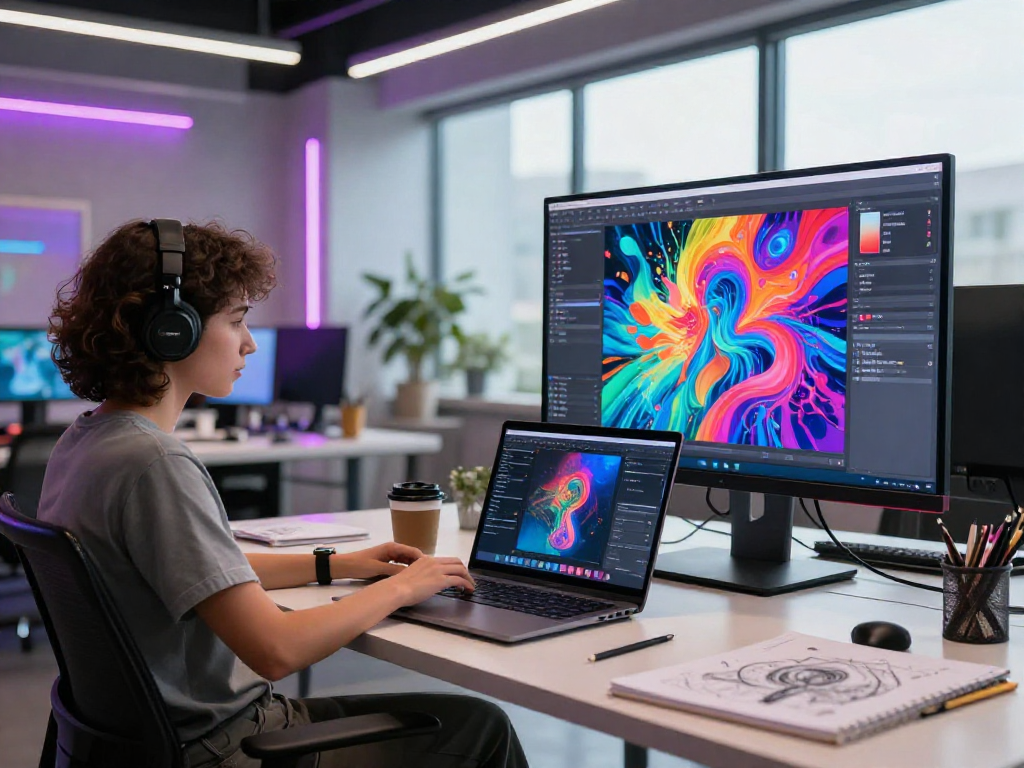
The Evolution of AI in Creative Industries
The creative landscape is undergoing a seismic shift with the advent of artificial intelligence (AI). From generating artwork to enhancing content creation processes, AI is reshaping how creators and businesses approach their work. This evolution is particularly notable in sectors that leverage ai nsfw technologies. As we move into a future where AI continues to permeate various aspects of creativity, it becomes essential to understand the trends and implications that come with this transformation.
Understanding AI NSFW Trends and Implications
AI technologies are not only capable of generating high-quality images and video but are also capable of simulating human creativity in unprecedented ways. This new frontier has led to the emergence of AI-driven content that challenges traditional notions of artistry and ownership. One significant trend is the rise of NSFW (not safe for work) content generated through AI, pushing boundaries in artistic expression, while also raising ethical concerns.
Understanding the implications of AI NSFW requires a deep dive into how these technologies function. AI models like GANs (Generative Adversarial Networks) can produce images that imitate human-created art, often blurring the lines between authentic creative expression and algorithmically generated content. As artists experiment with AI tools, they are redefining their creative processes, leading to innovative works that challenge societal norms.
How AI is Transforming Artistic Creation
AI's influence on artistic creation is profound. By automating tasks such as color selection, background generation, and even style transfer, artists can focus on conceptualizing and executing their visions. This shift allows for greater experimentation and faster project turnaround. Moreover, tools that analyze public sentiment can help creators tailor their works to meet audience preferences effectively.
- Personalization: AI can analyze viewer data to guide artists in creating more personalized and engaging content.
- Efficiency: Automating tedious tasks allows artists to dedicate more time to the creative aspects of their work.
- New Mediums: AI introduces entirely new forms and mediums of art, opening avenues for creative exploration.
Challenges Facing Creative Professionals in AI Development
Despite the benefits, numerous challenges arise for creative professionals embracing AI technologies. One primary concern is the question of authorship. When an AI-generated piece goes viral, who claims the credit—the artist who inspired the algorithm or the developer who coded it? This ambiguity complicates the traditional understanding of copyright and intellectual property.
Furthermore, as AI tools become more sophisticated, there is a growing fear that human artists may be overshadowed. The democratization of creativity through accessible AI tools raises concerns regarding the dilution of artistic quality and originality. As the industry evolves, creative professionals must navigate these challenges while leveraging AI's potential to enhance their work.
AI NSFW Applications in Content Creation
AI has vast applications in content creation, particularly within the realm of NSFW art and design. Creatives are increasingly adopting these technologies to streamline processes, enhance creativity, and deliver impactful narratives that resonate with audiences.
Innovative Tools for Artists and Designers
Numerous AI tools have emerged that cater to the needs of artists and designers, each offering unique functionalities to enhance the creative process. Tools like DeepArt and Runway ML allow users to create intricate artworks from simple sketches or photos, often resulting in stunning visuals that rival human creativity.
- Style Transfer Tools: These tools allow artists to apply the style of famous artworks to their own images, blending creativity with technological innovation.
- AI-Powered Sketch Assistants: Tools like Doodle2Art help in transforming rough sketches into polished pieces by suggesting enhancements based on learned aesthetics.
- Generative Storytelling Tools: Platforms that use AI to create narrative structures can help writers generate content that is engaging and contextually rich.
The Role of AI in Marketing and Advertising
In marketing and advertising, AI is facilitating the creation of compelling content that drives engagement. By analyzing user behavior and preferences, AI tools can assist marketers in crafting targeted campaigns that resonate with specific demographics. Additionally, AI-generated visuals can capture audience attention faster than conventional methods.
For instance, brands are increasingly relying on AI to create personalized advertisements based on customer data, enhancing user experience and conversion rates. This integration not only saves time but also ensures that content remains relevant and appealing to the target audience.
Case Studies: Successful AI-Driven Campaigns
Several brands have successfully incorporated AI into their marketing strategies, yielding impressive results. One notable case is that of *Coca-Cola*, which utilized AI to track consumer sentiment across social media platforms. By analyzing this data, they tailored their advertising content to align with current trends and consumer preferences, leading to a significant increase in engagement.
Another example is *Nike*, which employed AI to create personalized experiences for customers using predictive analytics. This allowed them to better target their marketing efforts, ultimately driving sales and enhancing brand loyalty.
Ethical Considerations Surrounding AI Art
The integration of AI in art raises several ethical considerations that the creative industry must confront. As artists and companies leverage AI technologies, it is crucial to navigate the complexities associated with copyright, originality, and ethical use.
Navigating Copyright Issues in AI-Generated Works
Copyright laws are lagging behind the technological advancements in AI-driven art creation. The lack of clear guidelines on authorship and ownership poses significant challenges for artists and developers alike. In an age where AI can generate works indistinguishable from human-made pieces, establishing legal frameworks that protect both artists and developers is essential.
Creative professionals are encouraged to stay informed about evolving legislation regarding copyright in the context of AI-generated works. Collaborating with legal experts can help navigate these complex waters and ensure compliance with existing laws.
Balancing Creativity and Automation
While AI tools enhance efficiency and creativity, they also risk promoting homogenization in artistic expression. As more artists rely on similar AI algorithms and templates, there is a danger that unique artistic voices may become diluted. Striking a balance between leveraging AI for assistance and maintaining the essence of human creativity is paramount.
- Originality: Artists should strive to infuse personal elements into AI-generated content to maintain a unique voice.
- Diversity in Tools: Utilizing a variety of AI tools can foster more diverse artistic expressions.
- Ethical Use: Ethical considerations must guide the selection of AI tools to ensure they support rather than replace human creativity.
Industry Opinions on AI Ethics in Art
The debate on the ethics of AI in art continues to evolve. Opinions vary widely among artists, developers, and industry leaders. Some argue that AI is a valuable tool that can enhance artistic expression, while others contend it undermines the very essence of creativity.
Engaging with community discussions and forums can provide insight into prevailing sentiments regarding AI's role in art. Artists should consider these varying perspectives to better inform their own practices and the ethical implications of their work.
Future Trends in AI NSFW for 2026
As we look towards 2026, several trends are emerging that will shape the landscape of AI in creative industries. Understanding these trends can help artists and organizations prepare for the future and harness the potential of AI technologies effectively.
Emerging Technologies Shaping the Future
Emerging technologies such as augmented reality (AR), virtual reality (VR), and improved machine learning algorithms will continue to influence the creative process. These innovations are set to enhance the way artists interact with their tools and audiences, opening up new avenues for creative expression.
For example, AR can allow artists to place digital art within real-world environments, creating immersive experiences. Similarly, advancements in VR technology can transport audiences into interactive artistic spaces, redefining engagement and appreciation for art.
Predictions for AI's Impact on Content Creation
The coming years will likely see an increased reliance on AI for content creation, with companies implementing these tools across various platforms. AI-generated content will become more sophisticated, making it harder to distinguish between human and AI contributions.
- Enhanced Personalization: Content will become increasingly tailored to individual preferences, driven by AI analytics.
- Collaborative AI: Future AI tools will facilitate collaboration between human artists and AI, resulting in unique hybrid works.
- Greater Accessibility: As AI becomes more widely used, access to high-quality creative tools will expand, democratizing artistry.
Preparing for Innovations in AI Tools
For artists and creative professionals, being proactive in adapting to new AI tools will be crucial. Continuous learning and skill development will enable creatives to leverage these technologies effectively. Engaging with AI communities and participating in workshops can provide insights into best practices and emerging tools in the market.
Practical Applications for Creatives in 2026
As AI continues to evolve, creatives will need to understand how to integrate these tools into their workflows practically. This section outlines actionable strategies for incorporating AI into artistic practices.
Implementing AI Tools in Your Workflow
To derive maximum benefits from AI tools, artists should thoughtfully integrate them into their processes. Start by identifying specific areas where AI can enhance productivity or creativity, whether in design, content generation, or marketing efforts.
For example, artists can use AI to generate backgrounds or color palettes for their works, allowing them to focus on key elements while speeding up the design process. Experimentation with different AI platforms can help identify the best fit for particular creative needs.
Best Practices for Collaboration with AI
Collaboration with AI requires a thoughtful approach to ensure that human creativity remains at the forefront. Setting boundaries on how much influence AI has on the final product can help retain authenticity within artistic expression.
Additionally, maintaining an iterative process where artists can review and adjust AI-generated content allows for a more harmonious blend of human input and machine capabilities. This balance is critical to producing meaningful and engaging works.
Performance Metrics for Measuring Success
Measuring the success of AI-integrated projects can help artists refine their approaches and demonstrate the value of AI in creatives. Key performance metrics may include audience engagement rates, project completion time, and feedback quality.
- Engagement Rates: Analyze how audiences respond to AI-generated content compared to traditional works.
- Efficiency Metrics: Assess how much time AI tools save in the creative process.
- Quality Feedback: Gather qualitative feedback on the effectiveness and appeal of AI-assisted works.
What are the latest developments in AI NSFW?
The latest developments in AI NSFW revolve around advancements in machine learning techniques, allowing for increased realism and creativity in generated content. Artists are harnessing these innovations to push boundaries and explore new artistic domains.
How can artists effectively use AI tools?
Artists can effectively use AI tools by understanding their functionalities and integrating them into their workflows while maintaining a personal touch. Experimentation and adaptability will be key to maximizing the benefits of these technologies.
What ethical dilemmas arise from AI in art?
Ethical dilemmas arising from AI in art include questions of authorship, copyright, and the potential loss of originality in creative works. Navigating these issues will require ongoing dialogue within the creative community and careful consideration of the implications of AI usage.
What skills are necessary for creatives in an AI-driven world?
As AI becomes more prevalent in creative industries, essential skills for artists will include adaptability to technology, proficiency in AI tools, and an understanding of ethical considerations in digital art. Staying informed and continually honing these skills will position creatives for success.
What does the future hold for AI in creative industries?
The future holds exciting possibilities for AI in creative industries, with technology continuing to enhance artistic expression and streamline processes. As artists embrace these developments, they will navigate a landscape rich with opportunities and challenges, fundamentally transforming how art is created and appreciated.