
In today’s fast-paced world, safeguarding your home is more critical than ever. The importance of Home Security goes beyond mere protection against burglary or vandalism—it encompasses the safety of your family, the security of your valuables, and the peace of mind that comes from knowing your property is well-protected. Investing in the right Home Security solutions can have long-term benefits, both in terms of preventing losses and enhancing the overall value of your home. In this comprehensive guide, we explore the most effective Home Security investments that pay off in the long term, combining expert insights with practical strategies for homeowners.
- Understanding the Importance of Home Security
- Types of Home Security Investments
- Evaluating the Long-Term Value of Home Security Investments
- Emerging Trends in Home Security
- Cost Considerations and Budgeting
- Selecting the Right Home Security Provider
- Maintaining and Updating Your Security System
- Benefits Beyond Safety
- Conclusion
- Frequently Asked Questions (FAQs)
Understanding the Importance of Home Security
The concept of Home Security has evolved significantly over the past decades. While traditional locks and alarm systems offered basic protection, modern threats require advanced solutions that integrate technology, monitoring, and proactive security measures. Investing in robust Home Security solutions does more than deter criminals—it also protects your family from emergencies such as fires, carbon monoxide leaks, and unauthorized access.
Homes without adequate security measures are increasingly vulnerable to burglary and property damage. According to recent studies, a significant portion of burglaries could have been prevented with effective Home Security systems. Beyond financial loss, these incidents can have a lasting psychological impact, making security investments a critical component of responsible homeownership.
Types of Home Security Investments
When considering long-term Home Security investments, homeowners should focus on a combination of physical security, technology, and monitoring services. Each component offers unique advantages, and together they create a comprehensive security strategy.
Physical Security Measures
Physical security forms the foundation of any reliable Home Security plan. Reinforced doors, window locks, and high-quality safes reduce the likelihood of unauthorized entry. Security doors made from heavy-duty materials and multi-point locking systems provide added protection against forced entry. Installing window bars, security screens, and shatterproof glass can further enhance safety without compromising the aesthetic appeal of your home.
In addition, investing in outdoor security features such as motion-activated lights, secure fencing, and gated entrances creates a visible deterrent to potential intruders. Physical measures are often the first line of defense and are crucial for long-term Home Security resilience.
Security Cameras and Smart Monitoring
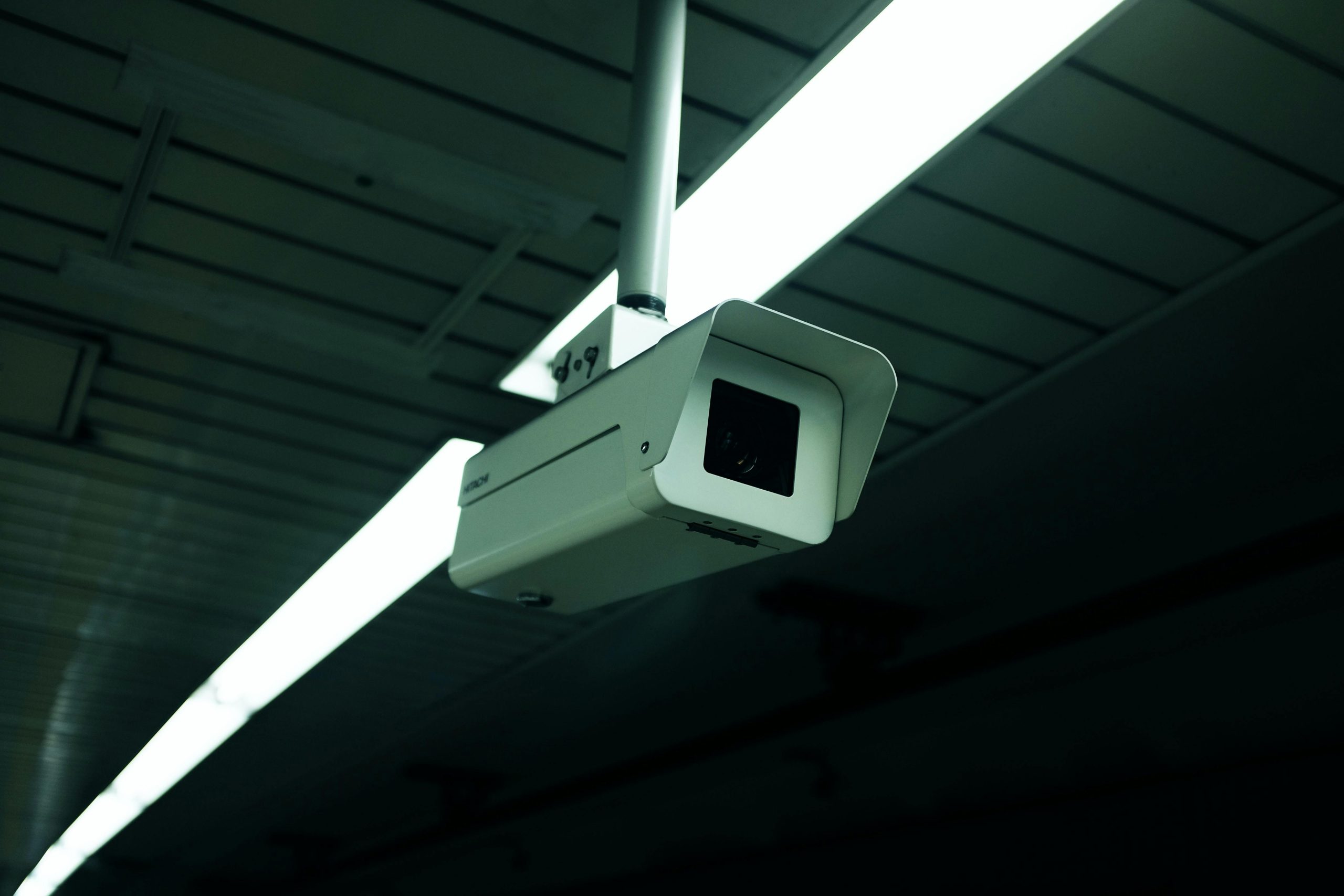
Modern Home Security systems increasingly rely on surveillance technology. High-definition security cameras with night vision capabilities allow homeowners to monitor activity both inside and outside the property. Advanced systems now offer AI-powered motion detection, facial recognition, and cloud storage for recorded footage.
Smart home integration has transformed traditional security systems into fully connected ecosystems. Mobile apps enable real-time alerts, remote monitoring, and seamless control over door locks, cameras, and alarm systems. These investments not only prevent crime but also provide valuable evidence in the event of an incident, making them a critical component of long-term Home Security planning.
Alarm Systems and Monitoring Services
While cameras provide observation, alarm systems actively respond to security threats. Professional-grade alarm systems are often connected to monitoring centers that notify authorities when a security breach occurs. These services offer round-the-clock protection, ensuring immediate response to emergencies.
Homeowners can choose from monitored or self-monitored systems, each with its advantages. Monitored systems offer professional intervention, while self-monitored setups provide flexibility and cost savings. Regardless of the choice, investing in a reliable alarm system is essential for a comprehensive Home Security strategy.
Cybersecurity and Smart Home Protection
As homes become increasingly connected through smart devices, cybersecurity is an often-overlooked aspect of Home Security. Wi-Fi networks, smart locks, and IoT-enabled appliances are potential targets for cybercriminals. Investing in secure routers, encrypted networks, and regular software updates can prevent unauthorized access and maintain the integrity of your Home Security infrastructure.
Moreover, some advanced security systems integrate cybersecurity measures to prevent hacking of cameras, alarms, and smart devices. For long-term protection, a holistic approach that combines physical security with digital safeguards is indispensable.
Evaluating the Long-Term Value of Home Security Investments
Not all Home Security investments are created equal. To maximize long-term benefits, homeowners should consider several factors, including durability, scalability, ease of use, and potential return on investment.
Durability and Reliability
Long-lasting security solutions reduce maintenance costs and provide consistent protection. Choosing high-quality materials for locks, cameras, and alarm systems ensures that your investment remains effective for years. Reputable manufacturers offer warranties and support services, further enhancing reliability.
Scalability and Future-Proofing
The best Home Security investments are scalable, allowing homeowners to expand or upgrade systems as technology advances. Modular security solutions, compatible with smart home platforms, provide flexibility to incorporate new devices, sensors, or cameras without replacing the entire system. Future-proofing your Home Security setup ensures sustained protection and reduces long-term costs.
Ease of Use and Integration
A complex security system that is difficult to manage may deter proper use. Investing in intuitive interfaces, mobile apps, and automated features ensures that homeowners can actively engage with their Home Security system. Seamless integration with smart home devices enhances convenience while maintaining robust protection.
Return on Investment
Effective Home Security can increase the value of your property and reduce potential losses from burglary, fire, or other emergencies. Homes equipped with modern security systems are often more attractive to buyers and may benefit from lower insurance premiums. Evaluating the cost of installation against potential financial and personal security gains is key to identifying investments that pay off over time.
Emerging Trends in Home Security
The Home Security landscape continues to evolve with technological innovations. Understanding these trends allows homeowners to make informed long-term investments.
Artificial Intelligence and Machine Learning
AI-powered Home Security systems are capable of recognizing patterns, distinguishing between real threats and false alarms, and predicting potential risks. Machine learning algorithms can adapt to homeowners’ routines, enhancing both security and convenience.
Integration with Smart Homes
Smart homes are becoming central to modern Home Security strategies. Voice-controlled devices, automated lighting, and remote access to security features provide enhanced protection and ease of use. These integrations create a unified system that maximizes safety without sacrificing lifestyle convenience.
Environmental Monitoring
Some advanced security systems now include environmental sensors to detect smoke, carbon monoxide, water leaks, and extreme temperature changes. By addressing a broader spectrum of threats, homeowners can protect both their property and their family, enhancing the long-term value of Home Security investments.
Cost Considerations and Budgeting
Investing in Home Security is a financial decision that requires careful planning. While high-end systems may involve significant upfront costs, the long-term benefits often justify the expenditure. Homeowners should consider installation, maintenance, subscription services, and potential upgrades when budgeting for Home Security.
Cost-effective strategies include prioritizing high-risk areas for surveillance, combining self-monitored and professionally monitored systems, and gradually upgrading components. Balancing affordability with robust protection ensures that your Home Security investment delivers lasting value.
Selecting the Right Home Security Provider
The effectiveness of Home Security depends on the quality of products and services chosen. Homeowners should evaluate providers based on reputation, product reliability, customer service, and technological innovation. Reading expert reviews, consulting security professionals, and comparing warranties can help identify a provider that aligns with long-term security goals.
Maintaining and Updating Your Security System
A successful Home Security investment is not static—it requires regular maintenance and updates. Testing alarm systems, updating software, and replacing outdated components ensures continued effectiveness. Seasonal reviews, such as checking locks, cameras, and sensors, help identify vulnerabilities and keep your system current.
Additionally, staying informed about emerging threats and new technologies allows homeowners to adapt their security strategies proactively. Regular maintenance is a critical factor in ensuring that your Home Security investments continue to pay off over time.
Benefits Beyond Safety
While the primary goal of Home Security is protection, these investments provide additional benefits that enhance quality of life. Smart home integration can improve energy efficiency, reduce insurance costs, and increase property value. Security systems also offer peace of mind, allowing homeowners to focus on their daily lives without constant worry about potential threats.
Moreover, visible security measures deter not only burglary but also vandalism and trespassing, contributing to a safer neighborhood environment. Investing in comprehensive Home Security creates both personal and community-level advantages.
Conclusion
Long-term Home Security is a combination of strategic planning, technological integration, and proactive maintenance. Physical security measures, surveillance systems, alarm monitoring, cybersecurity, and smart home integration collectively create a robust protection framework. By evaluating durability, scalability, usability, and potential return on investment, homeowners can ensure that their security investments provide lasting value.
The right Home Security solutions do more than prevent crime—they safeguard your family, protect your assets, and enhance the overall quality of life. Investing thoughtfully and maintaining a proactive approach ensures that your home remains a safe haven for years to come. For further information, please visit our main page.
Frequently Asked Questions (FAQs)
What are the most cost-effective Home Security investments?
Cost-effective Home Security investments include high-quality locks, door and window sensors, motion-activated lighting, and smart cameras with mobile monitoring. Combining these features provides comprehensive protection without excessive expenses.
How do smart home devices improve Home Security?
Smart home devices enhance Home Security by providing real-time alerts, remote monitoring, and automated responses. They integrate with cameras, alarms, and door locks, allowing homeowners to control security from a single interface.
Is professional monitoring necessary for effective Home Security?
Professional monitoring adds an extra layer of protection, ensuring rapid response in case of emergencies. While not strictly necessary, monitored systems provide peace of mind and can reduce response times compared to self-monitored setups.
How often should I update or maintain my Home Security system?
Regular maintenance, such as testing alarms, updating software, and checking sensors, should be performed at least twice a year. Staying informed about new technologies and emerging threats helps keep your system effective long-term.
Can Home Security investments increase my property value?
Yes, homes equipped with modern, comprehensive Home Security systems are often more attractive to buyers and may benefit from lower insurance premiums. Effective security measures enhance both safety and perceived value.