
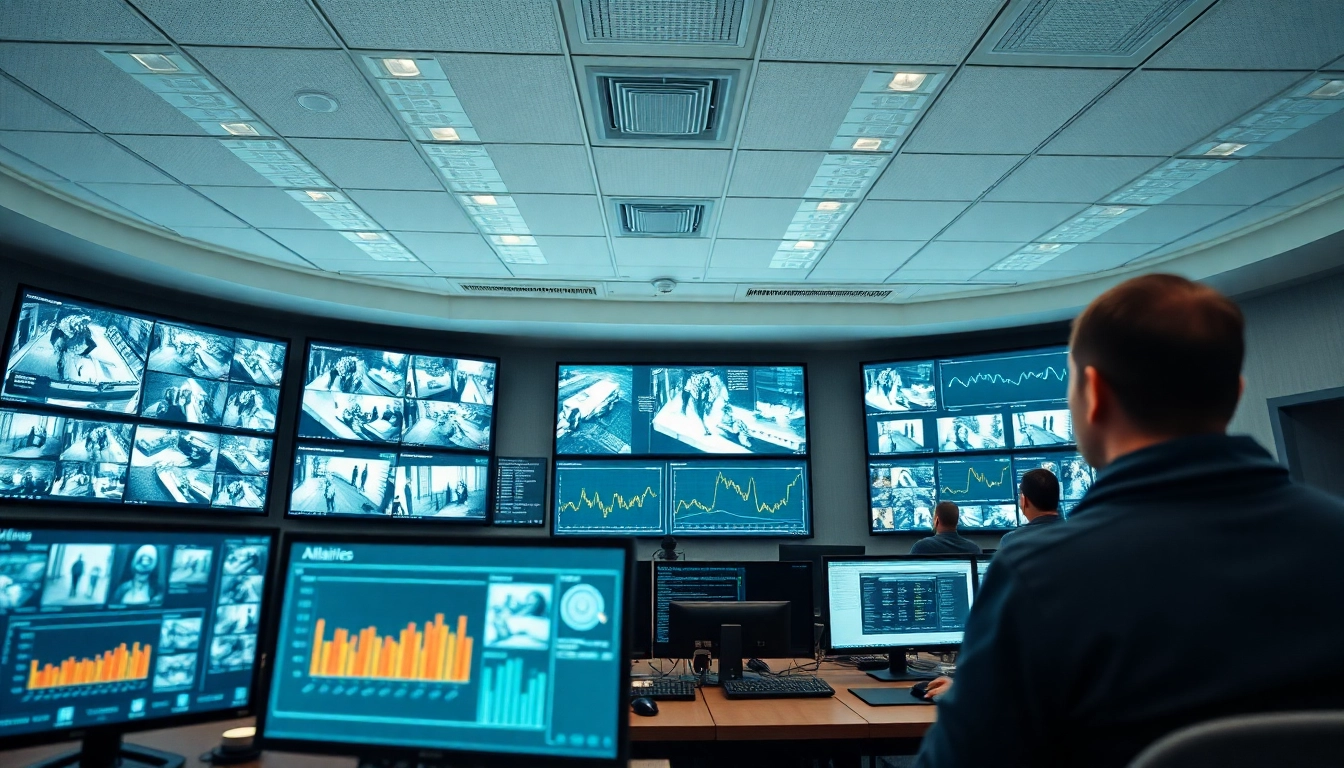
Introduction to What is Video Analytics in CCTV
In today’s world, surveillance technology has transcended from simple recording to sophisticated analysis, leading to the emergence of video analytics as an essential component of security systems. But what exactly is video analytics in CCTV? To grasp its significance, one must look at how it enhances traditional surveillance, allowing for smarter decision-making and proactive security measures. What is video analytics in CCTV encompasses advanced software capable of processing video data, identifying events, behaviors, and anomalies, thus providing more than just footage for review.
Defining Video Analytics
Video analytics refers to the computational processes that enable the automatic extraction and analysis of information from video footage. Essentially, it transforms visual data into actionable insights through techniques such as motion detection, object recognition, and behavior analysis. By leveraging algorithms powered by artificial intelligence and machine learning, video analytics facilitates real-time monitoring and alerts, significantly boosting the operational efficiency of surveillance systems.
Importance in Surveillance
The importance of video analytics in surveillance cannot be overstated. Traditional CCTV systems primarily served as passive recording tools, necessitating active human intervention for monitoring and interpretation. In contrast, video analytics automates this process, allowing for efficient and effective surveillance. It empowers security personnel to focus on critical incidents rather than sifting through hours of footage. Additionally, video analytics can improve response times during emergencies, contribute to crime prevention, and enhance overall situational awareness.
Overview of Key Technologies
Video analytics utilizes a combination of key technologies to function effectively. This includes:
- Artificial Intelligence (AI): AI algorithms play a central role in analyzing complex video data to identify patterns and behaviors.
- Machine Learning: This subset of AI allows systems to learn from data and improve over time, enhancing accuracy in object detection.
- Computer Vision: This technology enables machines to interpret visual information, facilitating real-time analysis of video feeds.
- Edge Computing: By processing data closer to the source (i.e., the cameras), edge computing reduces latency and bandwidth issues, optimizing performance.
How What is Video Analytics in CCTV Works
Understanding the Process
The process of video analytics in CCTV involves several stages, starting from data collection through video capture. Once the footage is recorded, it undergoes processing via intelligent algorithms that analyze the content in real-time. Events of interest, such as a person entering a restricted area or an unusual movement pattern, are flagged for immediate review. The analysis can also include tracking and classification of objects, enabling tailored responses based on identified behaviors.
Key Components and Tools
Several key components and tools are integral to the functionality of video analytics systems:
- Cameras: High-definition cameras equipped with analytics capabilities are crucial for capturing clear and detailed footage.
- Software Solutions: Robust video management systems (VMS) that include integrated analytics software enable seamless operation and data interpretation.
- Storage Solutions: Adequate data storage is essential to support high volumes of video data and the demands of analytics processing.
- Integration Capabilities: Effective video analytics need to integrate with existing security ecosystems, including alarm systems and access control.
Integration with Existing Systems
Integrating video analytics into existing CCTV systems involves a careful assessment of current assets and infrastructure. This includes evaluating the compatibility of cameras, storage facilities, and networking capabilities. A phased approach, often initiated with pilot projects, allows organizations to gradually implement video analytics without requiring a complete overhaul of their existing surveillance setups. During this process, training personnel on operating the new systems is crucial to maximizing their effectiveness.
Applications of What is Video Analytics in CCTV
Enhancing Security Measures
Video analytics significantly enhances security measures across numerous sectors by enabling proactive surveillance strategies. For example, in public spaces, it can help identify potential threats before they escalate, allowing security teams to respond swiftly to incidents. Features such as event detection (e.g., loitering, trespassing) trigger alarms, ensuring that appropriate measures are taken before a situation develops.
Industrial and Commercial Uses
Industrial sites benefit from video analytics through monitoring equipment and personnel behavior to enhance workplace safety and operational efficiency. For instance, in manufacturing environments, analytics can track worker movements to detect potential safety risks or optimize workflows. In retail settings, analytics can provide insights into customer behavior, aiding in inventory management and enhancing the shopping experience.
Case Studies and Real-World Examples
Several case studies illustrate the practical applications of video analytics in various industries. One prominent example is a major airport implementing video analytics to monitor crowd density and ensure passenger safety. The system analyzes foot traffic patterns and identifies potential bottlenecks, allowing for proactive management of security resources. In another instance, a city used analytics to monitor public parks, leading to enhanced community safety and improved responses to incidents.
Benefits of Implementing What is Video Analytics in CCTV
Improved Operational Efficiency
Implementing video analytics improves operational efficiency by automating mundane monitoring tasks, allowing security personnel to focus on critical decision-making processes. The ability to generate real-time insights facilitates a quicker response to incidents, ultimately enhancing the overall effectiveness of security operations. This leads to reduced incidents of theft, vandalism, and other crimes, translating to improved safety across controlled environments.
Cost-Effectiveness over Time
While the initial setup of video analytics may require investment, the long-term cost benefits are significant. Enhanced efficiency reduces the need for extensive personnel across security teams, and the potential for crime prevention minimizes losses from theft and vandalism. Additionally, data analysis can lead to optimized resource allocation, further driving down operational costs.
Data-Driven Decision Making
Video analytics provides access to a wealth of data, enabling organizations to make informed decisions based on empirical evidence. Rather than relying on instinct or guesswork, security teams can analyze patterns and trends in security footage, refining their strategies accordingly. This data-driven approach fosters a culture of continuous improvement, ultimately strengthening security protocols.
Challenges and Future of What is Video Analytics in CCTV
Common Implementation Challenges
Despite its many benefits, organizations face challenges in implementing video analytics. These may include technical issues, such as ensuring compatibility with existing systems, and the need for substantial training for personnel to operate new technologies effectively. Additionally, privacy concerns must be addressed, ensuring compliance with laws and regulations while maintaining security and surveillance efficacy.
Future Trends in the Industry
The future of video analytics in CCTV appears promising, with several emerging trends set to shape the industry. Innovations in artificial intelligence and machine learning will enhance the capabilities of analytics, leading to more accurate detection and classification of events. The continued evolution of cloud-based solutions will also facilitate scalability and accessibility, allowing organizations to leverage analytics without investing heavily in physical infrastructure.
Best Practices for Success
To ensure successful implementation of video analytics, organizations should follow best practices such as beginning with a well-defined strategy, conducting thorough assessments of existing systems for integration compatibility, and prioritizing staff training. Engaging with stakeholders throughout the process and continuously refining strategies based on data insights are also crucial components for maximizing the efficacy of video analytics in CCTV systems.
Frequently Asked Questions
1. What is video analytics used for in CCTV?
Video analytics in CCTV is used for real-time monitoring, recognizing events, detecting unusual behavior, and generating actionable insights to enhance security measures.
2. How does video analytics enhance security?
Video analytics enhances security by automating surveillance processes, identifying potential threats, and providing alerts for immediate action, leading to increased response efficiency.
3. What are the benefits of using video analytics?
The benefits include improved operational efficiency, cost savings over time, and data-driven decision-making, leading to robust security management.
4. Are there privacy concerns with video analytics?
Yes, privacy concerns are significant. Organizations must balance surveillance with compliance to privacy laws and regulations while protecting individual rights.
5. What challenges can arise with implementing video analytics?
Challenges include compatibility issues with existing systems, training requirements for staff, and addressing privacy concerns to ensure effective and compliant operations.