
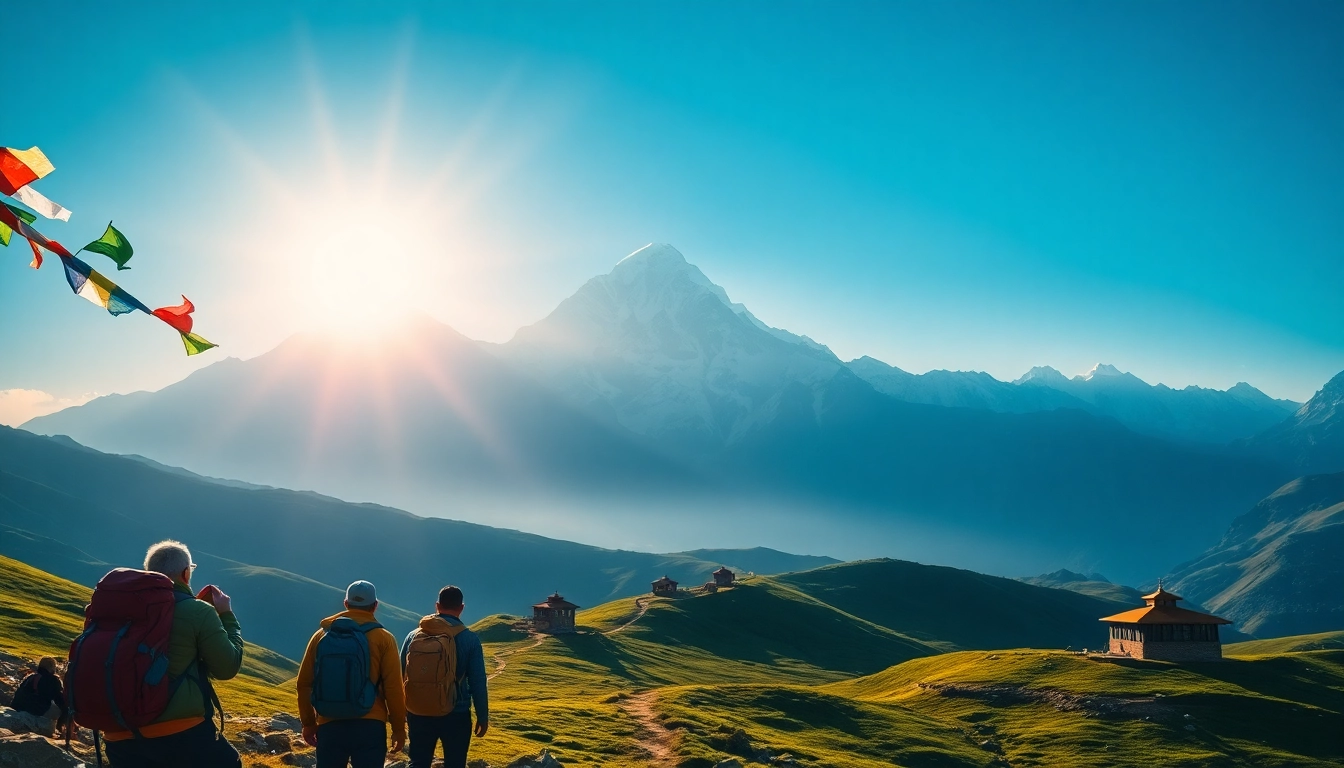
Overview of the Everest Base Camp Trek
The Everest Base Camp trek is a legendary journey that takes adventurers through the majestic landscapes of the Khumbu region of Nepal. Spanning approximately 130 kilometers, this trek not only leads you to the foot of the world’s highest peak, Mount Everest, but also immerses you in the rich tapestry of Sherpa culture and breathtaking natural beauty. Whether you’re an experienced trekker or a first-time adventurer, the EBC trek promises an unforgettable experience filled with stunning views, challenging terrains, and vibrant local communities. For those considering this incredible journey, Everest base camp represents not just a destination, but a culmination of dreams and aspirations.
What is Everest Base Camp?
Everest Base Camp, situated at an altitude of 5,364 meters (17,598 feet), serves as the primary base for climbers attempting to summit Mount Everest. It is accessible via a multi-day trek that takes you through picturesque Sherpa villages, such as Namche Bazaar and Tengboche, where trekkers can acclimatize to higher altitudes while soaking in the unique culture. The base camp itself is a bustling area during peak climbing seasons, where adventurers from around the globe gather to prepare for their ascent.
Benefits of Trekking to Everest Base Camp
- Stunning Scenery: Experience unparalleled views of the world’s highest peaks, including Everest, Lhotse, and Nuptse.
- Cultural Immersion: Engage with the Sherpa community and learn about their traditions, lifestyle, and spirituality.
- Acclimatization Opportunities: Proper acclimatization days help mitigate altitude sickness risks.
- Physical and Mental Challenge: Trekking to EBC pushes your physical limits and enhances your mental resilience.
- Once-in-a-Lifetime Experience: Achieving the trek to Everest Base Camp is a hallmark for outdoor enthusiasts.
Key Highlights of the EBC Journey
The journey to Everest Base Camp is filled with highlights, each step leading to awe-inspiring moments. Trekking through the Sagarmatha National Park offers encounters with unique flora and fauna, while iconic monastic sites like Tengboche Monastery provide spiritual reflections amidst the towering peaks. The scenic vistas from Kala Patthar at sunrise are legendary, rewarding trekkers with breathtaking panoramas of Everest and surrounding mountains.
Planning Your Everest Base Camp Adventure
Preparation for the Everest Base Camp trek is critical for ensuring a safe and enjoyable experience. Understanding the nuances of timing, permits, and trekking packages can significantly shape your adventure. The first step involves choosing the best time of year to embark on this iconic journey. Spring (March to May) and autumn (late September to November) are considered the best seasons for trekking due to favorable weather conditions. These months present lower chances of rain, clearer skies, and moderate temperatures, making the trekking experience significantly more pleasant.
When to Start Your Trek: Seasonal Guide
The choice of when to trek to Everest Base Camp can greatly impact your experience. The spring season offers vibrant landscapes with blooming flora and bustling trekking activity, while the autumn presents clear blue skies and stunning vistas as leaves change color. Conversely, winter trekking offers solitude but comes with harsh weather conditions, and the monsoon season can pose challenges due to heavy rainfall, making trails muddy and potentially dangerous.
Essential Permits and Documentation
Before embarking on your Everest adventure, you must secure several essential permits. The Trekking Information Management System (TIMS) permit, the Sagarmatha National Park permit, and the Khumbu Pasang Lhamu rural municipality entrance card are all necessary for trekking in this region. Fortunately, these permits are typically included in guided trek packages, easing the process for trekkers.
Choosing the Right Trekking Package
Selecting the right trekking package can be a crucial decision based on your preferences and comfort levels. Various options range from standard packages that offer basic services to luxury experiences featuring premium accommodations and dedicated guides. Consider your budget, the level of comfort you desire, and any specific needs to ensure you choose a package that best suits your adventure.
Preparing Physically and Mentally
Preparation is key to successfully completing the Everest Base Camp trek. Begin your training regimen well in advance to build endurance and strength. It is advisable to engage in cardio workouts, strength training, and hiking with a loaded pack, as this replicates the conditions you will face on the trail. Mental preparation is equally important; familiarize yourself with the trek’s challenges and develop strategies to stay motivated.
Training Routines for the EBC Trek
To prepare for the rigors of the trek, establish a comprehensive training routine that includes:
- Long-distance walking or hiking, ideally on varied terrain.
- Cardio exercises such as running, cycling, or swimming to improve cardiovascular fitness.
- Strength training focusing on the legs, core, and back to withstand the trek’s physical demands.
- A gradual increase in the weight of your backpack to mimic the conditions of the hike.
Gear and Equipment Recommendations
Having the right gear is vital for a safe and comfortable trek to Everest Base Camp. Invest in quality trekking boots, waterproof layers, thermal clothing, and a well-fitted backpack. Also, essential accessories include trekking poles, sunglasses, a first aid kit, and hydration systems. Consider renting some gear, such as sleeping bags and down jackets, if you do not want to purchase them.
Understanding Altitude Sickness
Altitude sickness is a significant concern for trekkers, as it can affect anyone, regardless of fitness level. Understanding its symptoms—headache, nausea, dizziness—is critical. To mitigate the risk, acclimatization days are built into the trek, and it’s crucial to listen to your body and descend if you experience severe symptoms. Staying hydrated and consuming a high-carb diet also helps in acclimatization.
What to Expect During the Trek
The Everest Base Camp trek is as much about the journey as the destination. Expect each day to present unique experiences, from traversing suspension bridges to walking through Sherpa villages. Daily itineraries are designed to balance trekking with adequate rest and acclimatization, with suggestions for engaging with local culture along the way.
Daily Itinerary Highlights
While itineraries may vary, a typical day would start with an early breakfast followed by several hours of trekking. Lunch is often taken on the trail, where trekkers enjoy local meals at teahouses, followed by more trekking until reaching the end point for the day. Evenings can be spent enjoying communal dinners, sharing stories with fellow trekkers, and preparing for the next day’s adventure.
Accommodation and Dining Options Along the Trail
Accommodations vary from teahouses to guesthouses, providing basic but comfortable lodging. Dining options emphasize local cuisine, with a typical menu featuring items like “Daal Bhat” (rice and lentils), pasta, and soups. It is advisable to maintain a vegetarian diet to minimize potential food-related issues.
Health and Safety Measures
Your health and safety are paramount during the trek. Trekking companies like Ace the Himalaya prioritize the well-being of their trekkers, providing experienced guides trained in first aid and altitude sickness management. Regular health checks and communication throughout the trek will enhance your safety and enjoyment.
FAQs and Expert Tips for EBC Trekking
As you prepare for your Everest Base Camp adventure, many questions may arise. Here, we address some common concerns and provide expert tips to enhance your trekking experience:
Common Concerns for First-Time Trekkers
Many first-time trekkers worry about their fitness levels and whether they will successfully complete the trek. Remember, preparation is key, and being physically active prior to your trek will significantly increase your chances of success. Additionally, familiarizing yourself with the itinerary and elevation changes can reduce anxiety.
Making the Most of Your EBC Experience
To truly enjoy your Everest Base Camp trek, immerse yourself in the journey. Engage with local cultures, take in the breathtaking landscapes, and celebrate the milestones along the way. Do not forget to capture these moments through photography and journaling.
Post-Trek Reflection and Next Steps
Once you complete your trek, take some time to reflect on your experiences. Consider sharing your adventure through social media or blogs, inspiring others to take on the challenge of the Everest Base Camp trek. Additionally, exploring other trekking options in Nepal can help you continue your adventure.